

Monday, April 6th, 2026
Writing to you from Cordova, Illinois
I spent the majority of this week, including Easter of course, with my mom’s side of the family. All of my family—mom’s side and dad’s—is from Illinois. And no, when I say Illinois I’m not talking about Chicago, or anywhere close to it. My family are all midwesterners from the western part of Illinois near the Mississippi River where you’ll find cornfields, John Deere, fast food, and small towns. I was born just across the river in Davenport, Iowa which isn’t much different.
It sounds crappy…and it is.
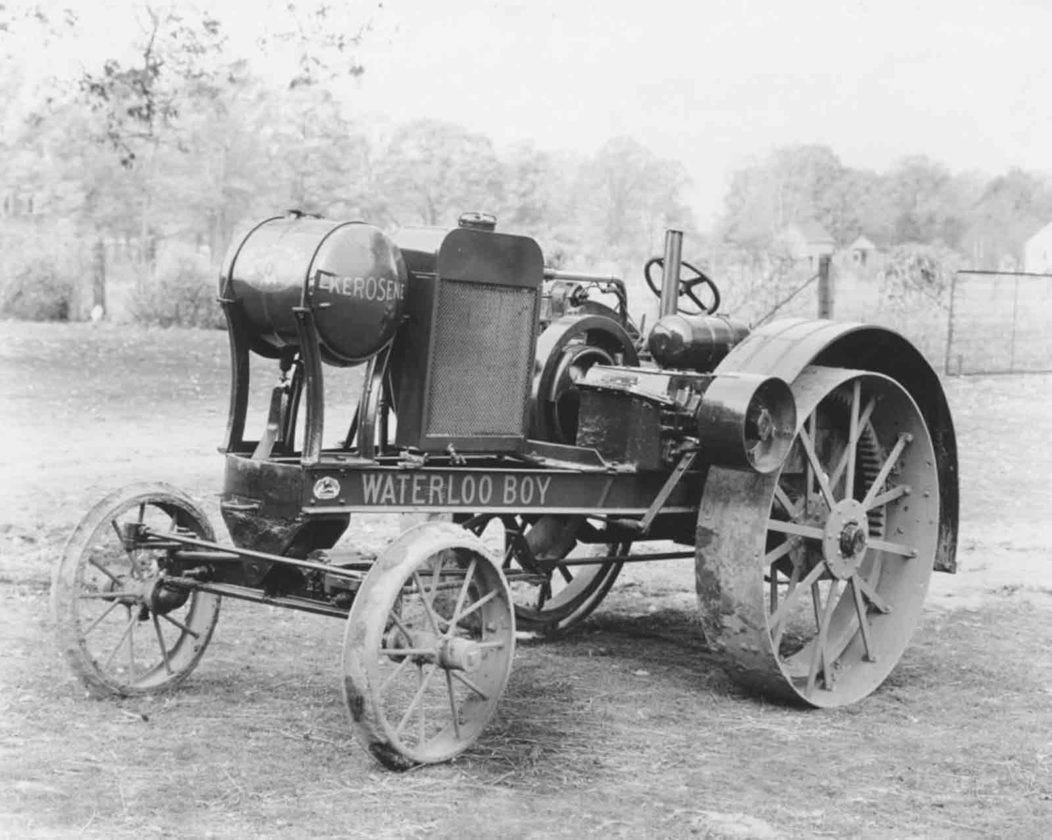
But, there was a time not too long ago (a similar story for most parts of America) when this place had real industry. John Deere is a great example of this. He was a Vermont-born blacksmith who moved to Illinois and ended up creating a plow that would cut through sticky midwestern soil. The plow became so popular that, despite economic panic in the mid 1800s, Deere’s company was able to incorporate as Deere & Company. By the time John died in 1886 he had created the world’s largest plow manufacturer. Years later in 1918, Deere & Company entered the tractor market and thus gained the reputation it’s known for today.
A great great uncle of mine (or maybe it was a great great grandfather, I can’t recall exactly) was once a janitor for John Deere. After many years of work he was able to climb all the way up the corporate ladder to become the VP of the company. I suppose that’s what people mean when they talk about the “American dream”.
Even a short story such as that one is proof that a place was once relatively prosperous.
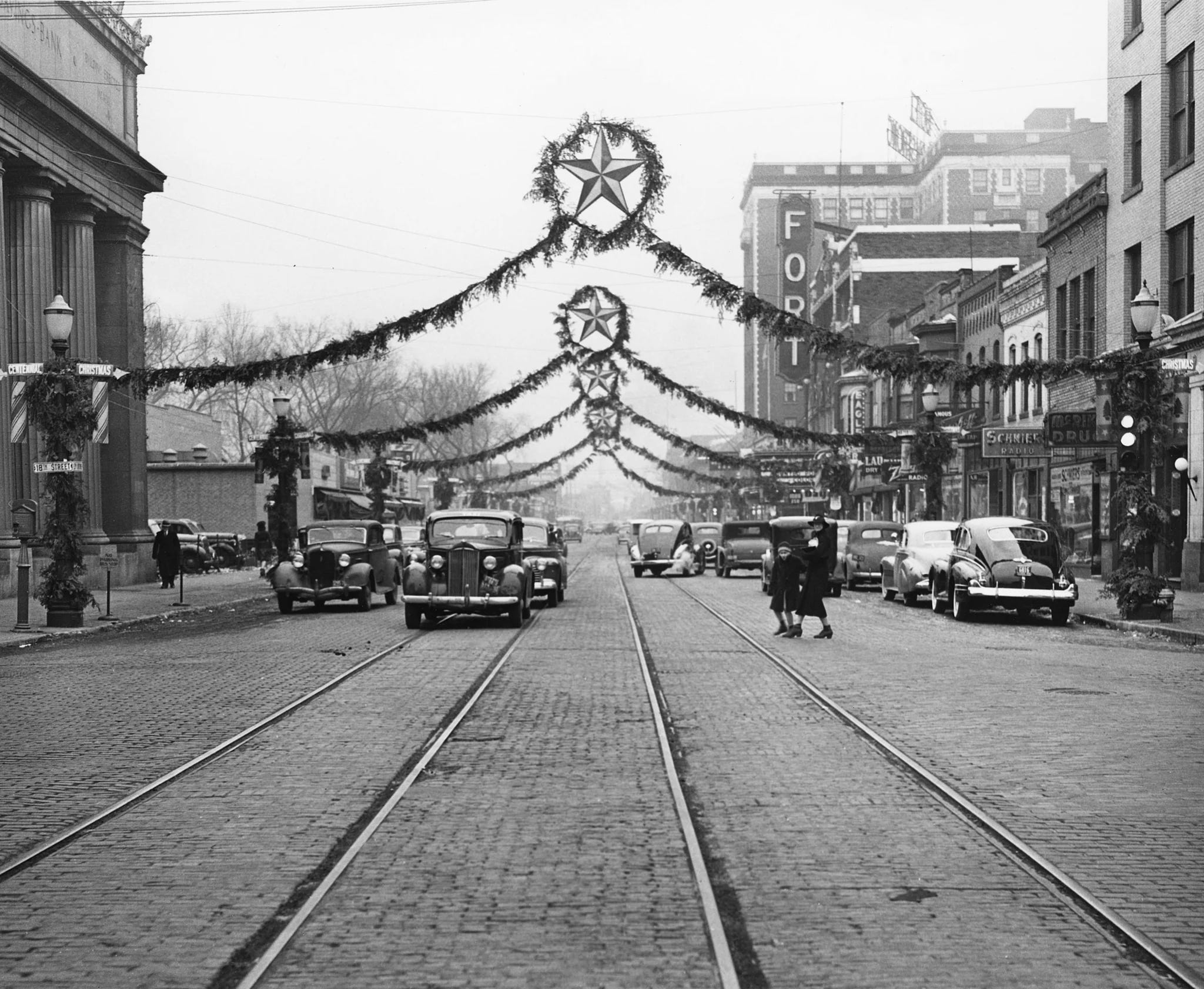
But, working your way up the ladder in a huge corporation wasn’t the only way to “make it” around here. The Quad Cities area—two cities on the Illinois side and two cities on the Iowa side of the Mississippi—used to dominate. River services, sawmills, and logging brought life to the area in the early 19th century. As said, John Deere followed not too long after. Things became even more interesting when the first railroad bridge to cross the Mississippi was built—transforming the region into a great junction for commerce in 1856. This, of course, drew more people and resources into the area which created more money-making opportunities. A domino effect.
The Civil War brought another temporary economic boom to the area. The Rock Island Arsenal was established during the war as a military center and manufacturer.
Then, as is true for most parts of America, the final boom—the last hurrah—came with the major increase of manufacturing in the early 20th century. Heavy machinery, construction, and agricultural companies like International Harvester gave way for what probably was the most prosperous time in midwestern history. I hate to say it, but it’s been all downhill since then.
It’s hard to say, is it better for a people to strive, succeed, and create something great only to watch an unstoppable rot overwhelm everything? Or is it better to live content and humble among the land?
The former sees the greatness that people are capable of—truly the best of the best. Yet the circumstances of the former suffer the pain of an endless Birth, Growth, Peak, Death, and Rebirth cycle. The circumstances of the latter mean that, while no great things may be achieved on a large scale, people escape the endless cycles of civilization and may be more easily able to live peaceful lives as individuals. The answer of what is best is unclear and probably doesn’t matter.
Remnants of Great Times…or Humiliation?
I was looking around for something to do—something fun and entertaining that would make this time in the QC more interesting. The Putnam Museum of Science and History seemed like a good pick. They have exhibits on the history of the Quad Cities which, I thought, would be good to check out since I know so little about this place.
The museum was interesting to say the least…
Michael Yon spoke to me about it a few weeks ago. He told me that, although he had recently been to museums and art galleries that were dark and degrading to the places they came from, it was still good to learn as much history as you can from the places you go. Plus, museums and art galleries aren’t just a look into the past, they are a deeper look into the present because they highlight how we think about the past.
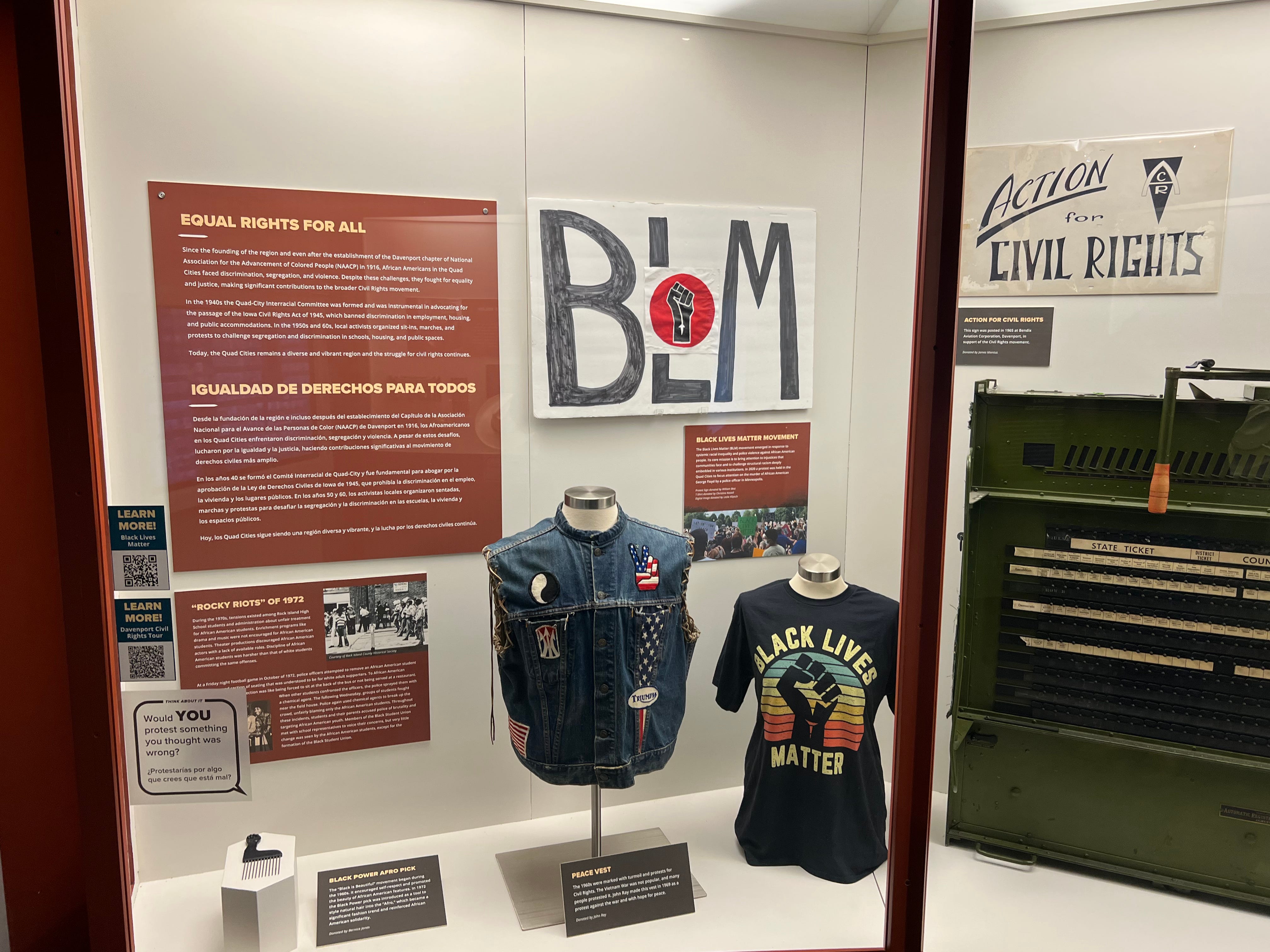
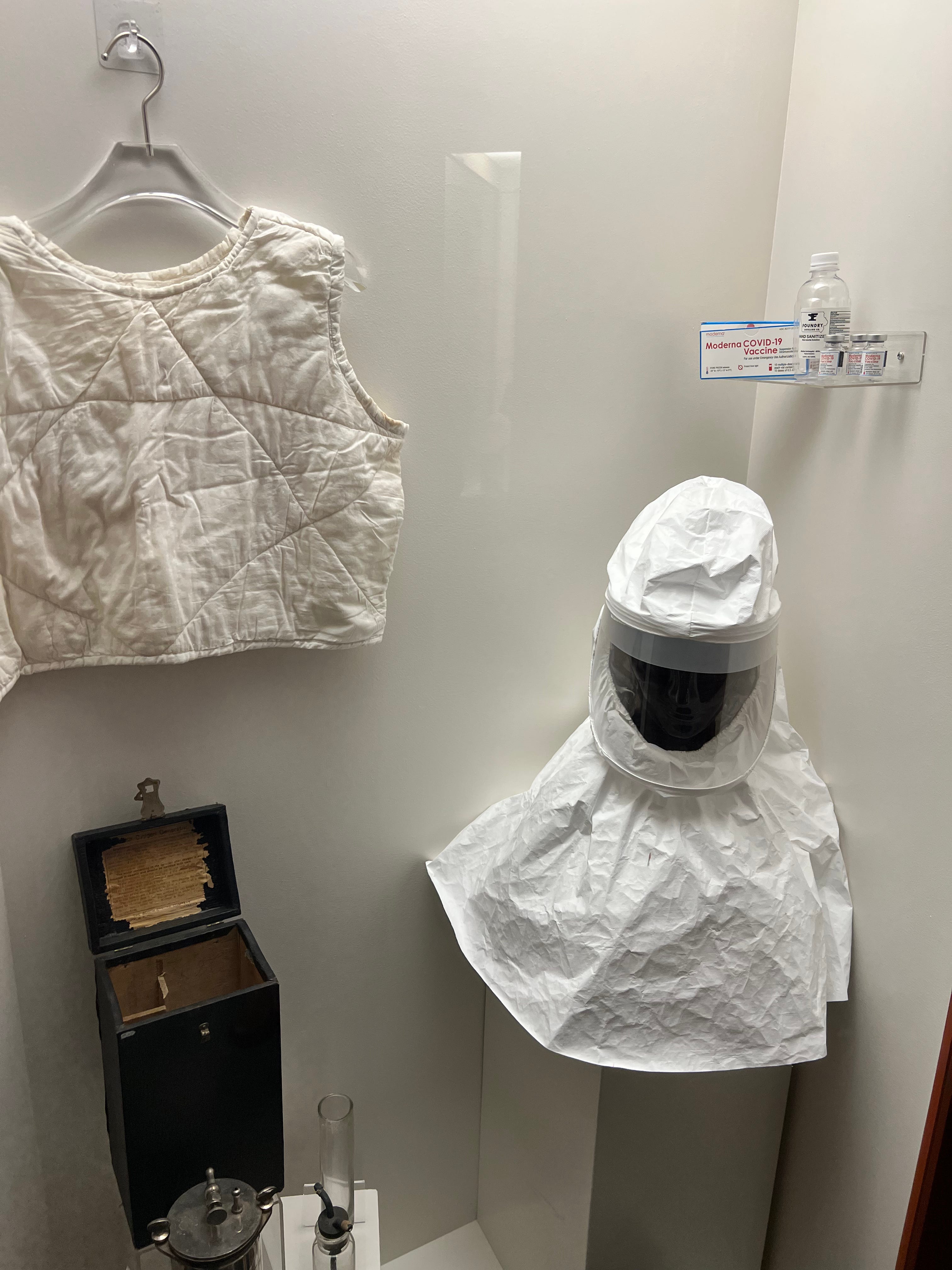
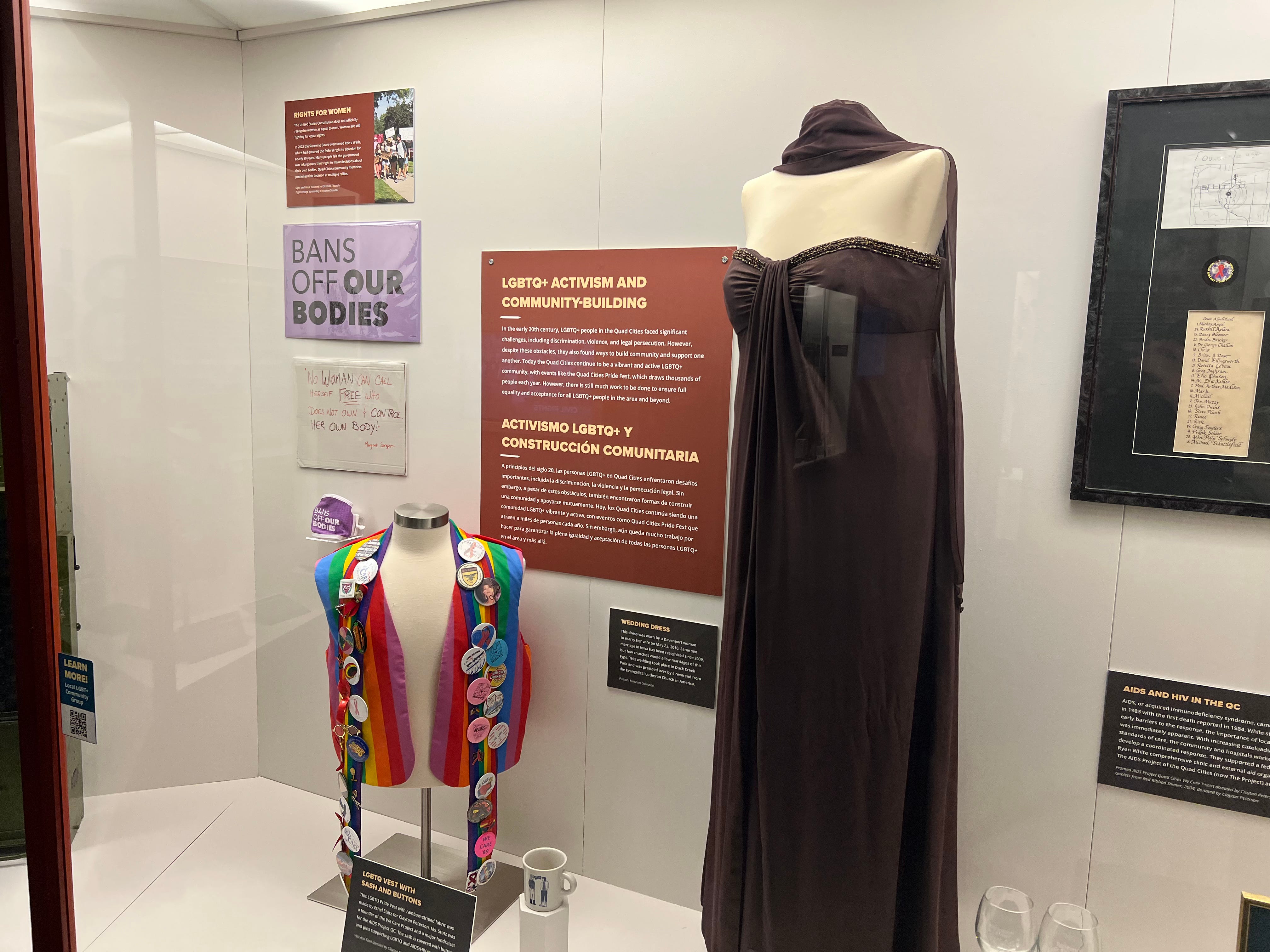
Modern museums are humiliation rituals for people to visit and whip themselves for the sins of their fathers. Well…only some of us have to get on our knees, raise a fist, and flog ourselves. The “victims” of history get to walk through each exhibit and writhe in self-pity—feeling the pain and bigotry that their ancestors dealt with.
The exhibit I wanted to see which was about famous people, events, and inventions from this area was small and little detail was added.
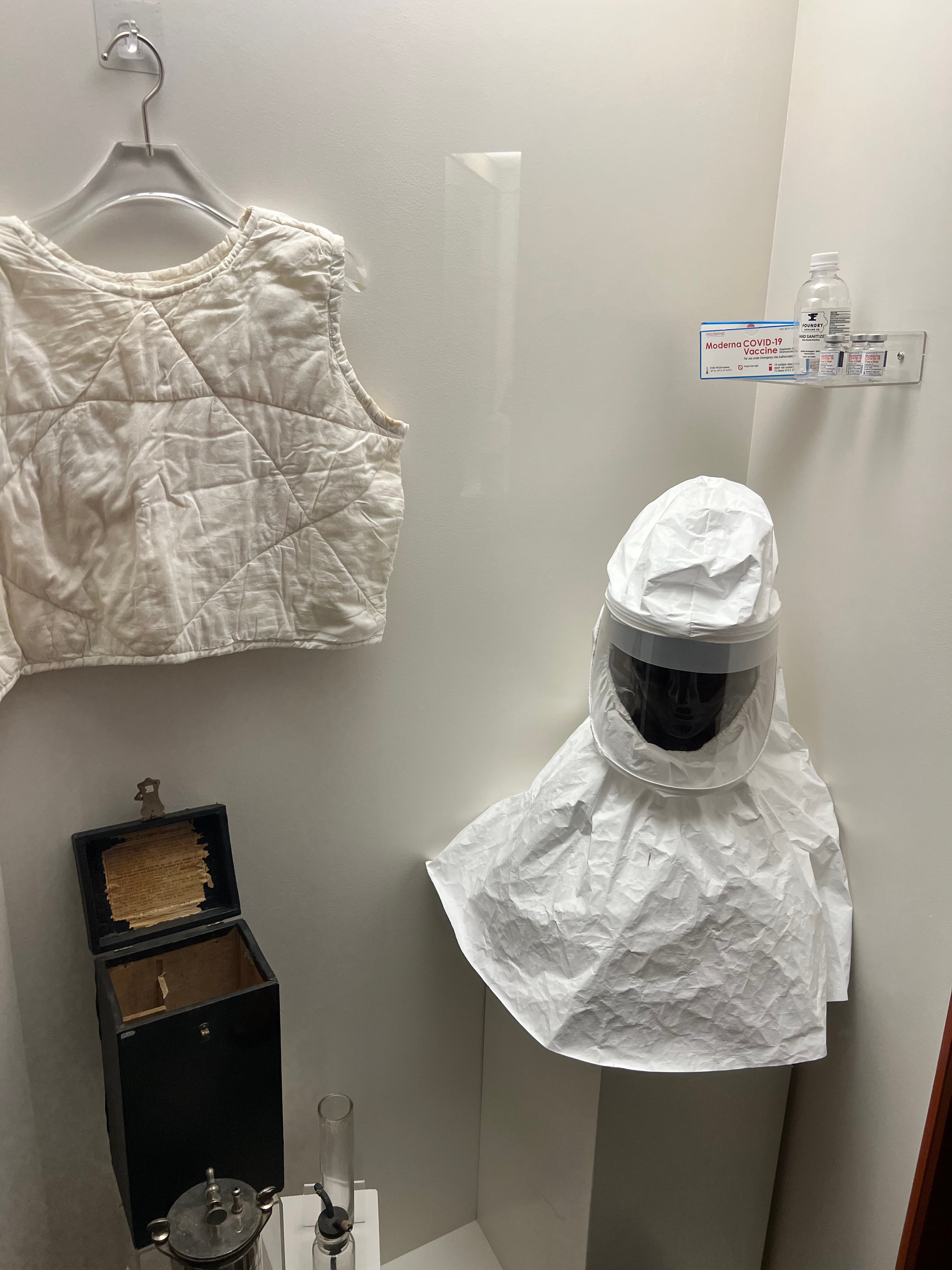
Also, I never thought I’d see a Moderna COVID vaccine on display, or BLM shirt, but that was foolish of me. The quickest way to learn about how you’re “supposed” to think about the world is to go to a museum. The psyop is literally on display.
Think about this with me: How many wild and complex events occur in one person’s life? Too many to count. Within a person’s life, let’s say 75 years, you have a long and intricate set of events to speak about that molded that person’s life into what it was. Now multiply that by the lives of several billion people that lived over the course of a couple hundred years. You suddenly have 100s of billions, if not trillions, of notable events happening in short order. Each spontaneous action of a single person, every random life event, every quarrel, and every invention has incomprehensible long term effects.
What I’m trying to say is that history is so incredibly complex. The effects of human action, reason for human action, the “feeling” of a certain era, motivations, and problems are endless and impossible to understand unless you were there. Even then, no matter where or when you live, you’re view is limited.
Don’t trust anyone—teachers, professors, museums, or a society as a whole—who seeks to simplify history and label the “good guys” and “bad guys”. On a large scale, this effort to restructure your thinking is malicious.
History is complex.
Reading
Finished reading “Economics in One Lesson” by Henry Hazlitt
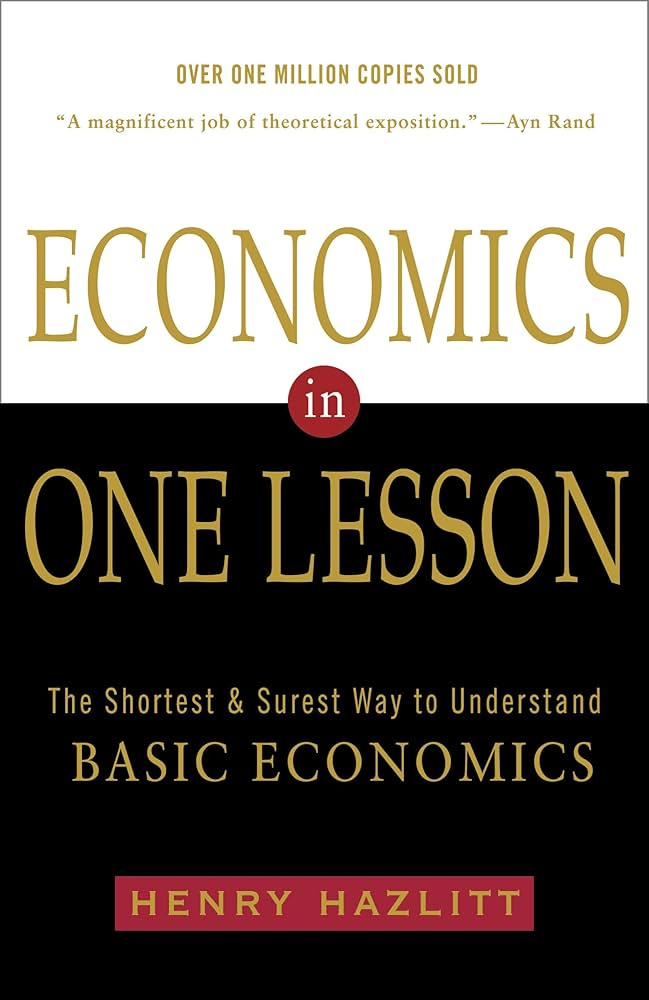
A good book to read. Definitely recommend it. Even a basic understanding of economics puts you far ahead of everyone else. It allows you to foresee potential economic issues, opportunities, and the major problems created by central banks and governments.
Additional Events
Chess practice: 5 hours
Worked out: 5 out of 7 days
Things I Published
Are these updates informative? Are they useful? Entertaining?
Leave a comment below if you’ve got any suggestions or questions for me.
And don’t forget to send this to someone who might benefit.
I’ll see you next week.
-Maxim Benjamin Smith
I am acting as a guinea pig for a program which is meant to prepare young men for the future. This program is designed to be a replacement for the only three routes advertised to young men today - go to college, the military, or a dead-end job.
All of these typical routes of life are designed to shape us into cogs for a wheel that doesn’t serve us. Wasted time, debt, lack of skills, and a soul crushing job define many who follow the traditional route.
This program, which we can call “The Preparation”, is meant to guide young men on a path where they properly utilize their time to gain skills, build relationships, and reach a state of being truly educated. The Preparation is meant to set young men up for success.
What appeals to me about The Preparation is the idea of the type of man I could be. The path to becoming a skilled, dangerous, and competent man is much more clear now. I’ve always been impressed by characters like The Count of Monte Cristo, men who accumulated knowledge and skills over a long period of time and eventually became incredibly capable men.
Young men today do not have a guiding light. We have few mentors and no one to emulate. We have been told that there are only a few paths to success in this world. For intelligent and ambitious people - college is sold to us as the one true path. And yet that path seems completely uncertain today.
We desperately need something real to grab onto. I think this is it.
I’m putting the ideas into action. Will it work? I can’t be sure, but I’m doing my best. I’m more than 60 weeks into the program at this point. So far, so good.
You can follow me along as I follow the program. Each week, I summarize all that I did.
My objective in sharing this is three fold:
Documenting my progress holds me accountable.
I hope these updates will show other young men that there is another path we can take.
For the parents who stumble upon this log, I want to prove to you that telling your children that the conventional path - college, debt, and a job is not the foolproof path you think it is.
"Economics in One Lesson" is a very important book to understand. It was one of the two books I used for teaching my Introduction to Economics to high school students; the other was "The Wealth of Nations".
I would postulate that central banking was one of the major institutions of "progress" that helped create the boom-and-bust cycle of small-town America, as it helped draw wealth away from many different cities that were created in the 1800's and toward Washington, DC in the 1900's.